Saturday, 30 July 2011

Burnet Moth

Recently I spotted a large group of the day-flying Burnet moths feeding happily on Ragwort (Senecio jacobaea). These chaps are pretty distinctive, and quite possibly had all recently emerged from pupation!

Burnet tucking in

The hurly-burly of the ragwort stem

Another fan of Ragwort is the Cinnabar moth, the unusual caterpillars of which feed exclusively on Senecio species.

Cinnabar caterpillar

Wednesday, 27 July 2011

Rehmannia elata


The Chinese Foxglove, seen flowering in my parents’ garden. I don’t see this plant about too much, but it flowers all summer, is reasonably easy to grow and looks jolly splendid. Also, like our native Foxglove before it, the bumblebees go cuckoo-bananas over it!

Bee Garden


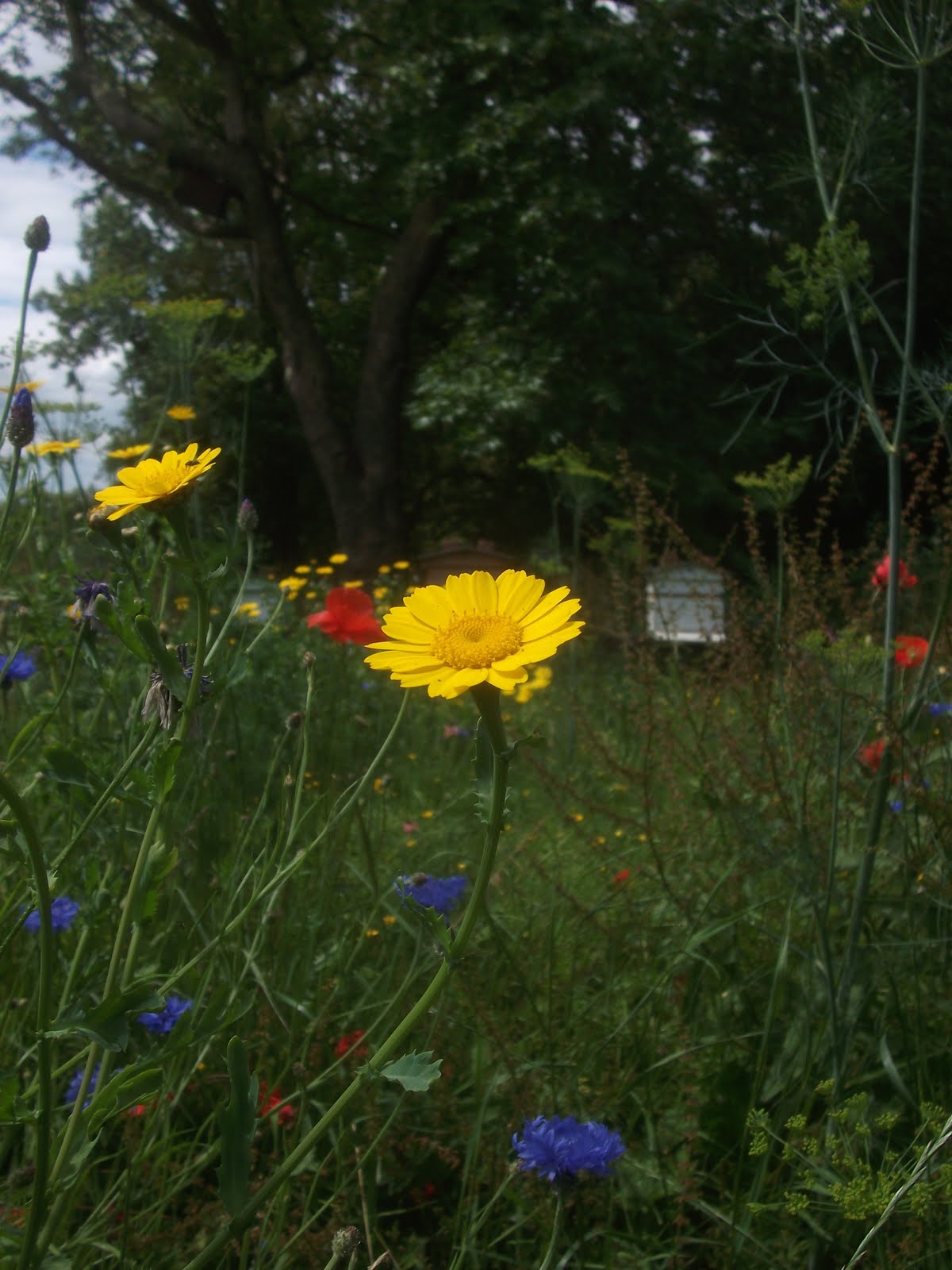
My meadow in front of the hives is coming along at the moment, with my bees the old soaks spoiling themselves rotten! There has been lots of cheering feedback from visitors to the garden and a huge amount of wildlife on the scene, ranging from common frogs to Small Tortoiseshell caterpillars. This site deliberately points toward the morning sun, as the bee books recommend this for positioning hives (I think to encourage the bees to get out of bed and get busy, lazy swines). Well a consequence of this is that the mornings here have become a real haven for all the good insects we see about, particularly the butterflies who generally do their feeding ack emma! All the butterfly species recorded about the garden have also been spotted feeding here too at some point, including some of the Peacocks we released recently. Plans for next year are already afoot, with biennals germinated in trays for planting out in the autumn after the whole thing is chopped down.

Vipers Bugloss, our only native Echium species and a real insect magnet!

I dug up ten large Thistles from the adjacent farm field and transplanted them to a place where they can be appreciated

Phacelia tanacetifolia, this is often grown as a green manure but is also extremely attractive to bumblebees

Another of these panoramas giving a wider view


Monday, 25 July 2011

Old Garden

The Old Garden is near to the manor house and comprises several large herbaceous borders, all of which are jammed to the gills with old-fashioned cottage garden style plants. There is a definite air of romance here, and an almost endless stream of interesting blooms!
 
Hibiscus syriacus 'Bluebird'

Sidalcea malviflora 'Sussex Beauty' - also seen in use at Wollerton

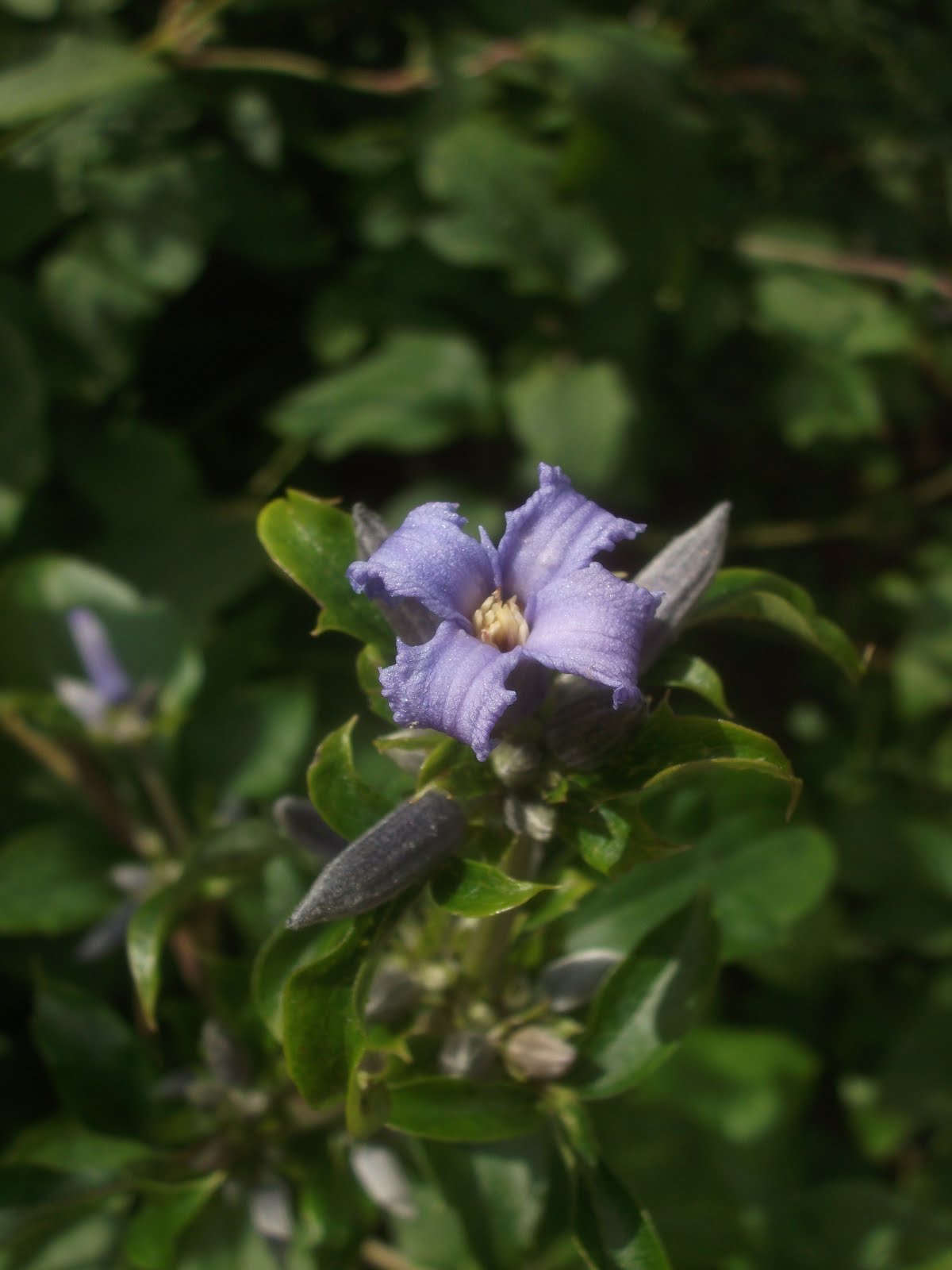
Clematis heracleifolia var. davidiana - another shrub clematis!
 
Red Admiral basking on Everlasting Sweet-pea


Papaver somniferum ‘Paeony Flowered’ - self-seeds like billy-o!

Rosa ‘Felicia’ mingling with Leucanthemum. This rose has been exciting a lot of comment recently on account if it’s magnificent scent!

Eremurus stenophyllus


Sunday, 24 July 2011

Ringlet


Ringlet butterflies are a hardy bunch, and will often be fluttering about in cloudy spells when most other butterflies have called it a day! These chaps are not rare, but I had not seen them in action until this year; being active on damp grassland they are very prominent on the fields surrounding the garden (Hidcote area is on heavy clay). Although not perhaps as visually arresting as the likes of the Peacock butterfly they are nevertheless fascinating, particularly the caterpillars which are nocturnal and only feed during the night! The foodplants are rough grasses such as meadow grass, and the caterpillars overwinter not entering pupation until the following spring.


Younger viewers please look away now! Ringlet hanky panky.

Related Posts Plugin for WordPress, Blogger...