Thursday, 21 July 2011

Brugmansia


Two of these chaps are dominating the Plant House currently, with their huge drooping flowers and wonderful scent! We are not certain of the species, but the common name is definitely Angel's Trumpet. These plants were a standard of the famous old glasshouses of Victorian England, and apparently the ladies while taking tea would hold their cups underneath the blooms. The nectar that dripped down into their brew acted as a mild stimulant, and doubtless livened up the conversation between those haughty old dears!

Angel's Trumpet

Tuesday, 19 July 2011

Plant ident

One of the regular features of our trips to college are the plant identification tests, which take place each week of the fortnight blocks we spend up there. Twenty plants are presented to us on the Monday, then we have a few days to sort ourselves out before the test on Friday morning! Occasionally the plant list can be terribly dull, a recent 'houseplant' test immediately springs to mind, but generally there are quite a few good specimens on offer that you could easily be talked into planting yourself back home. During the last college block we had a real humdinger of an ident, focusing on roses and some herbaceous bits & bobs. Here are the best plants from that test;

Geranium Patricia 'Brempat'
Knautia macedonica
Phlomis russeliana
Rosa 'Charles Austin'
Rosa 'Compassion' - this has the heaviest scent I've smelt on a rose
Rosa 'Crimson Cascade'
Rosa 'Eyeopener' - this is a from of groundcover rose
Rosa 'Maigold' - favoured by bees!
Rosa 'Mary Rose'
Rosa 'Nostalgia'

Monday, 18 July 2011

Insect activity

The wasps are very busy at the moment, stripping wood from fences for their nests and hunting small insects to feed to their larvae
Self-seeded poppies are held in high regard in the bumblebee community
Scarlet tiger moths (caterpillars thereof posted about previously) are now active and are certainly generating interest amongst staff and visitors! Beautiful things
A day-flying moth on Echium vulgare
Classic summer scene! Red Admiral on Buddleia 'Black Knight'
The fifth Peacock released so far!

Saturday, 16 July 2011

Packwood House

A few weeks ago on a Sunday drenched in glorious sunshine, we set sail for Packwood House; a reasonable 45 minute journey from Hidcote. Packwood is just over the border from Gloucestershire in Warwickshire, and is probably most famous for its giant topiary. These were jolly impressive but the real splendour here is the borders and plants!

A stark entrance gate (potential for clematis ahoy!)

Clothed in rose glory

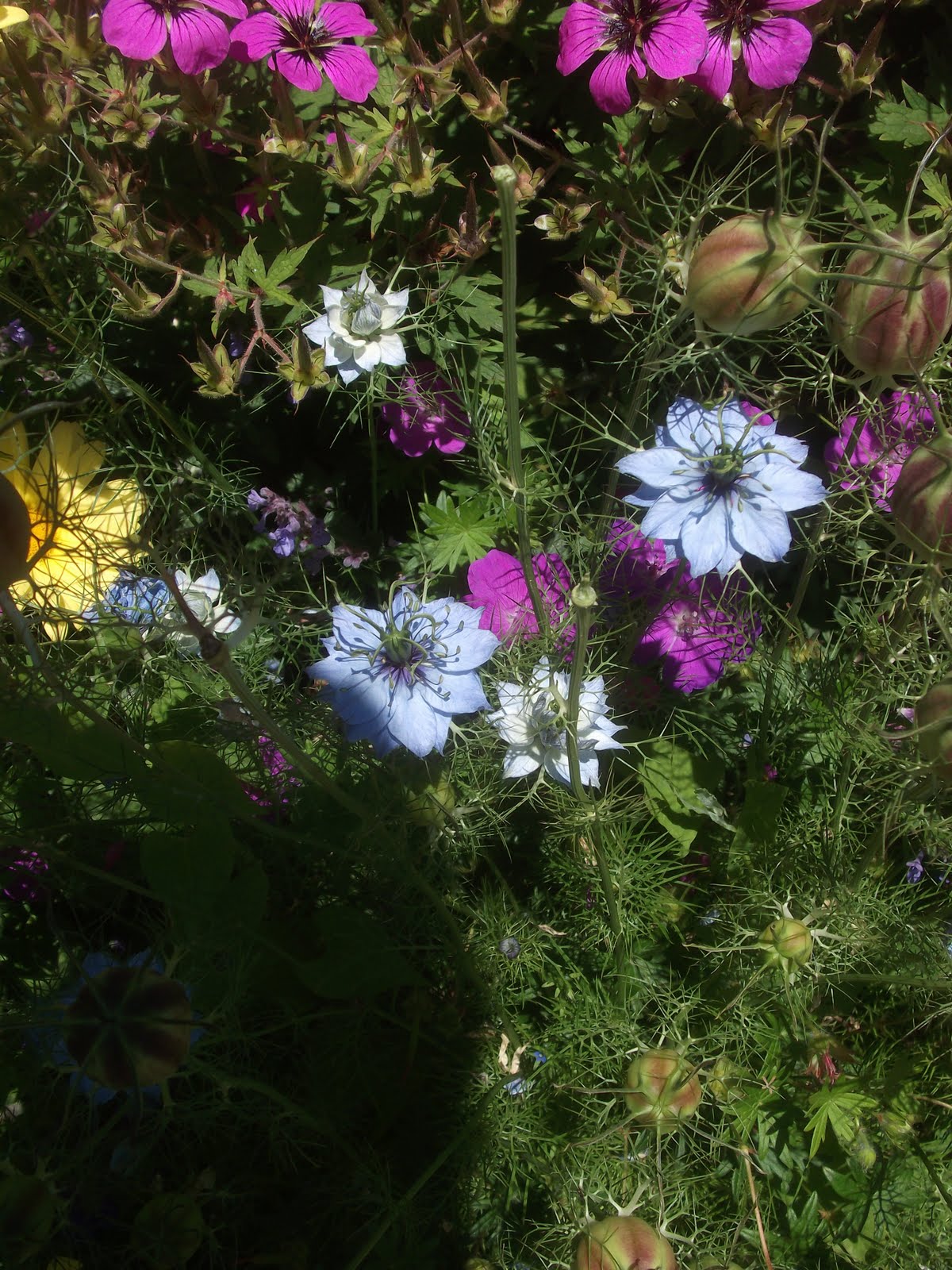
Nigella damascena mixing amiably with Geranium (‘Patricia’?)

Cephalaria gigantea

The Sunken Garden, a unique feature with a wealth of ‘hot’ plantings

Rose beds

Long border spilling over the wall

Long border detail, excellent use of Verbascum olympicum

The Yew Garden, topiary mayhem!

Friday, 15 July 2011

Butterflies at Hidcote

This year I’m rearing my own butterflies at the garden, in a project aiming to encourage our visitors to plant more butterfly friendly species in their own garden! This is taking place in one of the gazebos atop the Red Border steps (probably best seen during sunset) using strictly native species of butterfly known to be already active at Hidcote; Comma, Peacock, Small Tortoiseshell & Red Admiral. The whole thing is visible to visitors, with some information boards indicating what the blazes is going on and what plants might be worth planting, i.e. Buddleia, Scabious, etc. The butterfly life cycle starts with tiny eggs that hatch out into miniscule caterpillars (larvae), which then feed voraciously on their chosen food plant! For all of the above species, Urtica dioica (the Stinging Nettle) is the preferred menu, which is then chomped through at a rate of knots. Four moults then take place, with the larvae shedding its previous skin and getting larger each time. After about three weeks of gorging themselves they crawl off from the other caterpillars and find a quiet corner to settle down and begin pupation, which again can last about three weeks depending on temperature. At this point the beastie becomes a beauty, with a living soup of caterpillar cells inside the pupa case reforming as butterfly cells. This miraculous occurrence ends with them breaking out from the pupa, and spending about two hours unfurling and pumping up their new wings. At this stage the wings are actually still wet, and a splash of excess dye can be seen underneath each new butterfly! Then we release them into the garden, to the delight of myself and the assembled visitors, hopefully for them to go on and indulge in a bit of hanky panky and do their bit for the local population numbers!

Gazebo converted to butterfly house

Comma caterpillars

Netting prevents parasitic wasps turning up and spoiling the party

Peacock pupae

A peacock butterfly just emerged, wings still curled up

Wings still wet

Just prior to release into the garden and the first flight

This weekend the Big Butterfly Count begins, lasting from 16th July to the 31st. This worthwhile cause involves counting butterflies for 15 minutes and submitting your observations online. Please, see here, for more information!
Related Posts Plugin for WordPress, Blogger...